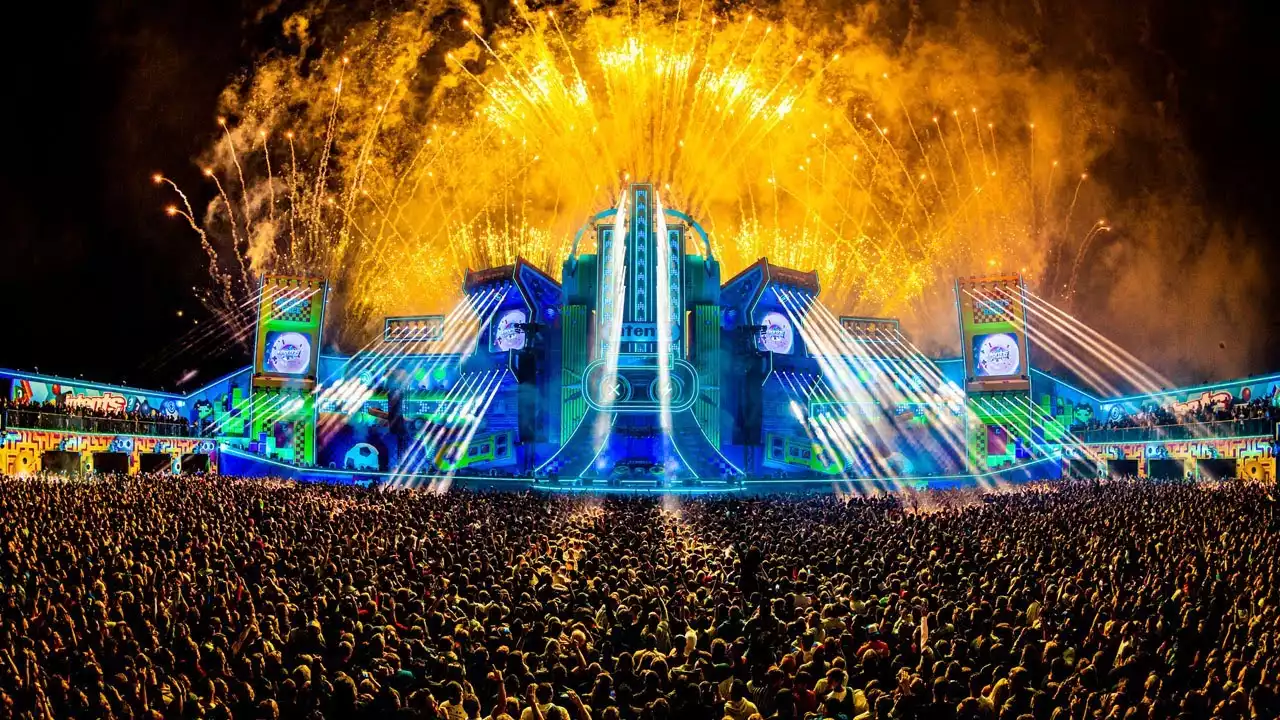
Step into a time machine and embark on a captivating journey through the centuries as we trace the vibrant saga of music festivals. From ancient civilizations to modern-day extravaganzas, these gatherings have always held a special place in human culture, uniting people through the universal language of music.Throughout history, music festivals have provided a platform for artistic expression, cultural exchange, and communal celebration. Whether it be the exuberant festivities of ancient Greece honoring the gods, the Woodstock revolution of the 1960s, or the Coachella craze of today, these events have always brought people together to experience the transformative power of music.As the melodies have evolved, so have the festivals themselves. From small-scale gatherings in local communities to global phenomenon attracting millions, music festivals have become a cultural mainstay in our ever-changing world.Join us as we explore the harmonious evolution of music festivals, tracing the threads that weave together diverse genres, eras, and cultures. Discover the stories behind iconic festivals, explore the social and political influences that have shaped them, and uncover the lasting impact they have had on the music industry.Get ready to immerse yourself in this vibrant narrative, where the beat of the drum connects generations and the joy of music knows no boundaries.
The Origins of Music Festivals
Music festivals have roots that date back to ancient times. In civilizations such as ancient Greece, music played a central role in religious and cultural ceremonies. Festivals like the Panathenaic Games showcased musical competitions and performances dedicated to the gods. These events were not only a celebration of music but also a way to honor the divine.
Moving forward in time to the Renaissance period, music festivals gained popularity among the European aristocracy. The courts of kings and queens became a hub for musical gatherings, where composers and musicians showcased their talents. These festivals were not only a showcase of artistic prowess but also a display of power and wealth.
Fast forward to the 20th century, and music festivals took on a new form. The rise of popular music genres such as jazz, blues, and rock and roll paved the way for larger-scale festivals. These events became a platform for counterculture movements and a way to challenge societal norms. The Newport Jazz Festival and the Monterey Pop Festival are examples of iconic festivals that emerged during this time, bringing together artists and audiences in a celebration of music and social change.
Iconic Music Festivals of the 1960s and 1970s
The 1960s and 1970s were a defining era for music festivals. It was during this time that the Woodstock Music & Art Fair took place in upstate New York. Woodstock became a symbol of the counterculture movement and a gathering of peace and love. Hundreds of thousands of people flocked to the festival, creating an unprecedented sense of community and unity.
Another iconic festival of this era was the Isle of Wight Festival in the UK. In 1970, it attracted over 600,000 attendees, making it one of the largest music festivals in history. The festival featured legendary acts such as Jimi Hendrix and The Who, and it became a cultural milestone in the UK.
Evolution of Music Festivals in the Digital Age
With the advent of technology and the rise of the internet, music festivals have undergone a significant transformation in the digital age. The emergence of streaming platforms and social media has allowed festivals to reach a global audience like never before. Events such as Coachella and Tomorrowland are now live-streamed, enabling people from all corners of the globe to experience the magic of these festivals from the comfort of their own homes.
The digital age has also given rise to virtual reality experiences, where attendees can immerse themselves in a virtual festival environment. These virtual festivals offer a new level of accessibility and interactivity, allowing individuals to explore different stages, interact with virtual avatars, and even create their own virtual festivals.
Music Festival Culture and Its Impact on Society
Music festival culture has had a profound impact on society. These gatherings have become a place of self-expression, acceptance, and celebration of diversity. They provide a sense of belonging and community for attendees who share a common love for music.
Music festivals have also become a platform for social and political activism. From Live Aid's efforts to fight global poverty to the environmental initiatives of festivals like Glastonbury, these events have shown their power to bring attention to important social issues and inspire positive change.
The Economic Significance of Music Festivals
Music festivals have not only cultural significance but also economic importance. They attract tourists from around the world, boosting local economies and creating job opportunities. From accommodation and transportation to food and merchandise, music festivals stimulate various sectors of the economy.
For example, the economic impact of the Coachella Valley Music and Arts Festival in California is estimated to be in the hundreds of millions of dollars, benefiting the local community and businesses.
Sustainability and Environmental Concerns in Music Festivals
As music festivals continue to grow in scale and popularity, so does the need for sustainability. Festivals have come under scrutiny for their environmental impact, including issues such as waste management, energy consumption, and carbon emissions.
However, many festivals have taken proactive steps to address these concerns. They are implementing eco-friendly practices such as recycling programs, renewable energy sources, and reducing single-use plastics. Festivals like Glastonbury have even gone as far as banning the sale of plastic water bottles on-site.
The Future of Music Festivals
As we look to the future, music festivals are expected to continue evolving and adapting to the changing landscape. Virtual reality experiences, sustainable practices, and a focus on inclusivity are likely to shape the future of music festivals.
Despite the challenges they may face, music festivals will always hold a special place in our hearts. They provide a space for connection, creativity, and celebration, reminding us of the power of music to transcend boundaries and bring people together.
So, whether you find yourself dancing in a muddy field, watching a live-streamed performance, or exploring a virtual festival, remember that the harmonious evolution of music festivals is a testament to our shared humanity and the enduring power of music.
The vibrant saga of music festivals continues, and we can't wait to see what the future holds.

 How Does Eating Breakfast Builds Muscle Mass
 Surprise Your Wife in 2024 with These Uniquely Thoughtful and Memorable Gifts
 3 types of sound
 The Ultimate Guide to the Hottest Music Festivals of 2024: Prepare to be Mesmerized!
 A Rollercoaster Ride through Music's Journey in 2023
 The Must-Attend Event: Great American Beer Festival 2023 - What You Need to Know
 Music Extravaganza Await: Your Ultimate Guide to Out of the Woods Festival 2023!
 Twisterella Festival 2023: Your Go-To Event for Discovering the Next Big Names in Music
 Experience the Magic of Oktoberfest Frankfurt 2023: A Celebration of Culture, Bavarian Beer, and Traditions
 AMERICANAFEST 2023: Unforgettable Performances, Memorable Moments, and Why You Can't Miss It
 Power of Innovation: A Sneak Peek into ZNA Gathering 2024
 Festivals of Summer 2024 in Portugal
 Guide to Punk, Rock & Metal Festivals
 From Fyre to Woodstock '99: Most Disastrous Music Festivals in History
 Music Festivals in Greece
 Ultimate R&B Music Festivals to Attend in 2024
 Shpongle Takes the Stage at DGTL Tel Aviv!
 Tribe of Nova: Uniting Survivors and Finding Comfort in Israel's Trance Music Culture
 Best Latin Music Festivals of 2024
 Peru Best New Sounds of 2021
 Voices from Peru
 Traditional Turkish Music
 Coachella 2024 Lineup Revealed